

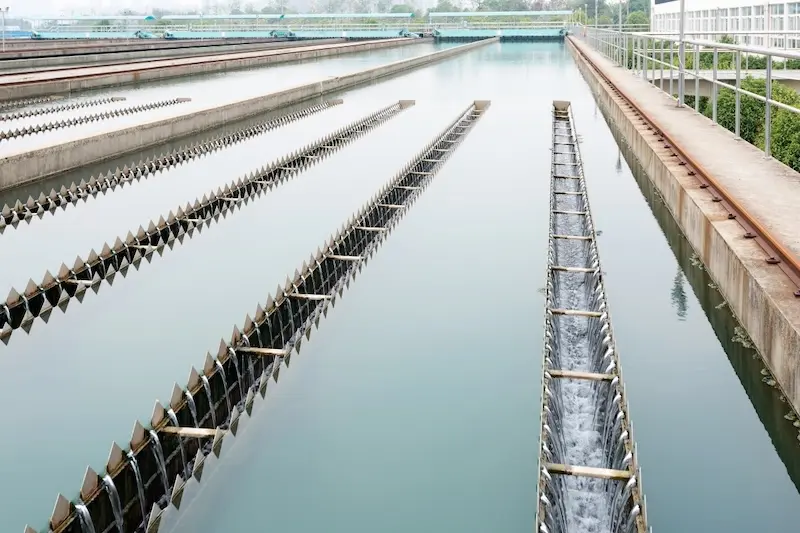
For many industrial facilities, continuous water quality monitoring remains an afterthought, with environmental compliance still built around a familiar routine: manual sampling, laboratory testing, and periodic reporting.
On paper, this approach meets requirements. In practice, it creates risk.
Between sampling intervals, processes continue to run, discharge conditions change, and potential compliance issues can go undetected. By the time results are returned, the opportunity to respond may already have passed.
This is why more organisations across Ireland are shifting towards continuous water quality monitoring, not as an upgrade, but as a necessity for reliable compliance.
The problem with periodic sampling
Manual sampling has long been the standard in environmental monitoring. However, it was never designed for the level of scrutiny and responsiveness now expected by regulators.
Typical limitations include:
- Delayed results (hours or days after sampling)
- Limited visibility between sampling points
- Higher risk of missing transient events
- Increased labour and operational costs
- Dependence on manual processes and record-keeping
These limitations are particularly critical when monitoring parameters such as:
- pH fluctuations
- Turbidity spikes
- Dissolved oxygen drops
- Nutrient loading (ammonia, nitrates)
All of these can change rapidly, especially in industrial or wastewater environments.
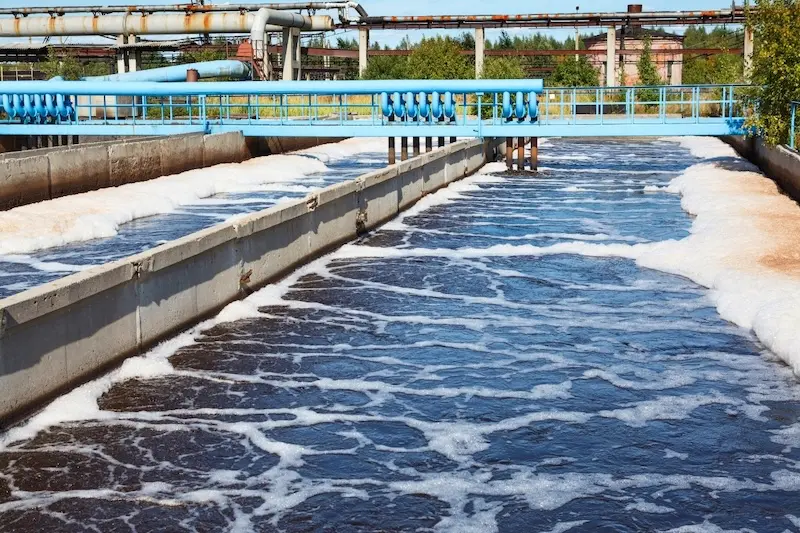
What is continuous water quality monitoring?
Continuous water monitoring uses installed sensors and analysers to measure water quality parameters in real time.
These systems are typically deployed at:
- Effluent discharge points
- Treatment process stages
- Inlet and outlet flows
- Critical environmental monitoring locations
Key parameters commonly monitored include:
- pH and ORP
- Turbidity and suspended solids
- Dissolved oxygen (DO)
- Conductivity
- Ammonia, nitrates, and phosphates
- COD / TOC (organic load indicators)
Rather than periodic checks, these parameters are measured continuously, often every few seconds or minutes.
Why continuous water quality monitoring is becoming a standard
Continuous monitoring of water replaces snapshots with real-time, high-frequency data.
Instead of asking “what was happening when we sampled?”, facilities can now see: “what is happening right now, and how has this changed continuously over time?”
Regulatory and environmental pressures are driving this shift. According to the Environmental Protection Agency (Ireland):
- Wastewater from 59% of Ireland’s treatment plants failed to consistently meet EPA licence standards.
- Untreated wastewater continues to be discharged in some areas daily
These findings highlight a critical issue: without continuous visibility, compliance cannot be reliably guaranteed.
From measurement to insight: The role of connected systems
Measurement alone is not enough. The real value of continuous monitoring comes from how the data is used.
Modern systems integrate sensors with cloud-based platforms that provide:
- Live dashboards across all measurement points
- Automated alerts when thresholds are exceeded
- Historical data for trend analysis
- Reporting tools for compliance submissions
Multi-site visibility from a single interface
This transforms monitoring from a passive activity into an active control system. Instead of reacting to problems after they occur, facilities can:
- Detect deviations early
- Investigate root causes immediately
- Take corrective action before compliance is breached
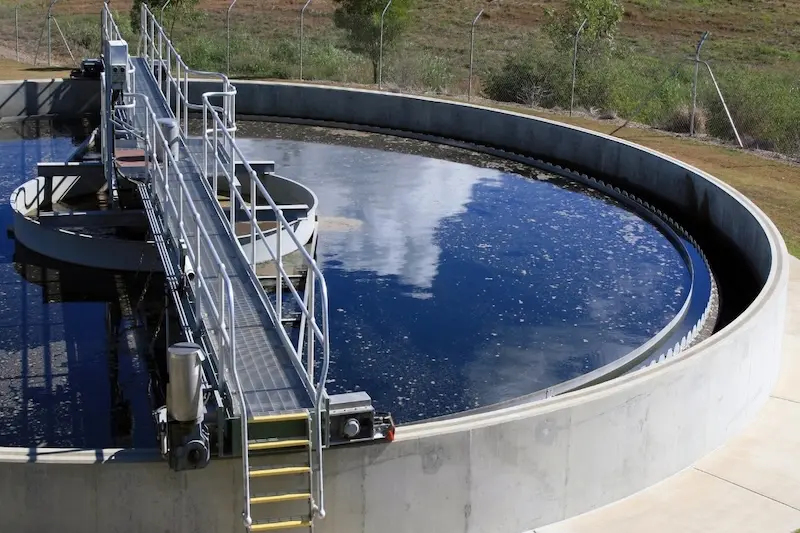
A practical example: Wastewater discharge monitoring
Consider a typical industrial discharge scenario.
With manual sampling:
- A sample is taken once per day
- Results return 24-48 hours later
- A compliance breach may already have occurred
With continuous monitoring:
- Parameters are measured in real time
- Alerts are triggered instantly if limits are approached
- Operators can respond immediately
This difference is critical. In regulated environments, minutes matter, not days.
Supporting compliance with traceable data
Regulatory compliance is not just about staying within limits; it’s about proving it with defensible data.
Continuous monitoring systems provide:
- High-resolution datasets (not isolated samples)
- Time-stamped records for every measurement
- Automated logging and storage
- Audit-ready reporting outputs
This is particularly important in Ireland, where EPA reporting requires:
- Accurate measurement
- Traceable calibration
- Verifiable documentation
Facilities that rely on fragmented or manual data collection often struggle to meet these standards consistently.
The role of calibration and reliability in continuous water quality monitoring
One of the key concerns in continuous monitoring is data accuracy over time.
Sensors operating in wastewater or industrial environments are exposed to:
- Fouling and contamination
- Temperature variation
- Chemical exposure
- Mechanical wear
Without proper maintenance, data quality degrades.
This is why continuous monitoring must be supported by:
- Regular calibration and verification
- Scheduled maintenance and cleaning
- Traceable certification records
- Ongoing technical support
Reliable compliance depends not just on measurement but on maintaining measurement integrity.
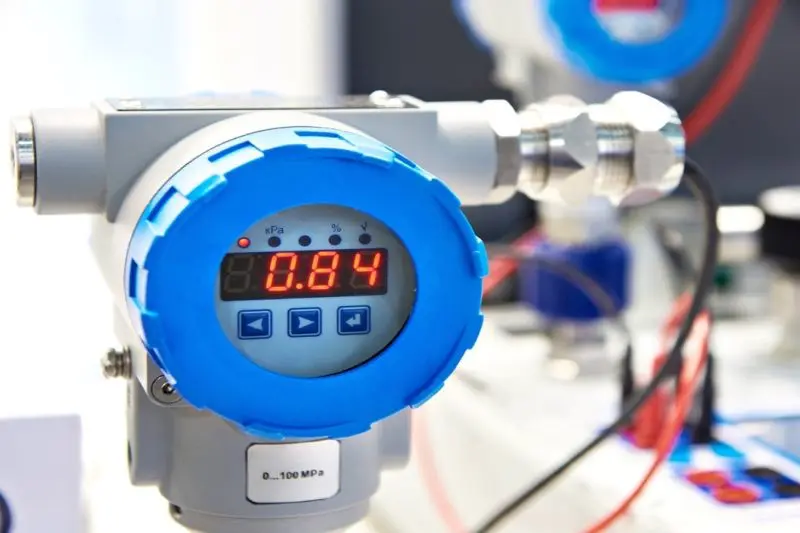
Moving beyond equipment: A complete monitoring approach
Continuous monitoring is most effective when delivered as part of a complete solution, rather than standalone instruments. This typically includes:
- Sensors & Instrumentation: Selected specifically for the application, environment, and regulatory requirements.
- System Design & Integration: Combining multiple measurement points into a cohesive monitoring system.
- Cloud Data & Remote Monitoring: Providing real-time visibility, alerts, and reporting across sites.
- Ongoing Monitoring & SLAs: Ensuring systems remain accurate, compliant, and fully supported over time.
This end-to-end approach aligns with how modern industrial facilities manage compliance as an ongoing process, not a one-time installation.
Where continuous water quality monitoring delivers the most value
Continuous water quality monitoring is particularly valuable in:
- Wastewater treatment and discharge compliance
- Food & beverage production facilities
- Pharmaceutical and life sciences environments
- Manufacturing and utilities
- Environmental monitoring and regulatory applications
In all of these sectors, compliance depends on:
- Consistent process control
- Early detection of deviations
- Reliable, auditable data
The commercial case for continuous water quality monitoring
While compliance is the primary driver, continuous monitoring also delivers operational benefits:
- Reduced risk of fines or enforcement actions
- Lower reliance on manual sampling and lab testing
- Faster response to process issues
- Improved process stability and efficiency
- Better long-term decision-making through data trends
In many cases, the system pays for itself through risk reduction and operational improvements alone.

Industry-grade continuous water quality monitoring starts with Process Networks
Environmental compliance depends on continuous water quality monitoring that gives you full visibility across your process, not just snapshots in time.
At Process Networks, we enable this with integrated water quality monitoring solutions that track water conditions from influent to effluent, combining robust instrumentation, cloud-based systems and expert support to deliver:
- Continuous measurement of key parameters such as pH, turbidity, dissolved oxygen and nutrients
- Stable flow, level and pressure monitoring for consistent process control
- Real-time visibility, automated alerts and compliance-ready reporting
- Traceable calibration and certification to support audits and regulatory requirements
- Ongoing maintenance and technical expertise to ensure long-term reliability
By replacing periodic sampling with continuous insight, issues can be identified earlier, workloads reduced, and compliance maintained with greater confidence.
If you’re ready to implement continuous water quality monitoring across your site, speak to our team to design a solution that delivers accurate, reliable performance from inlet to outlet.