

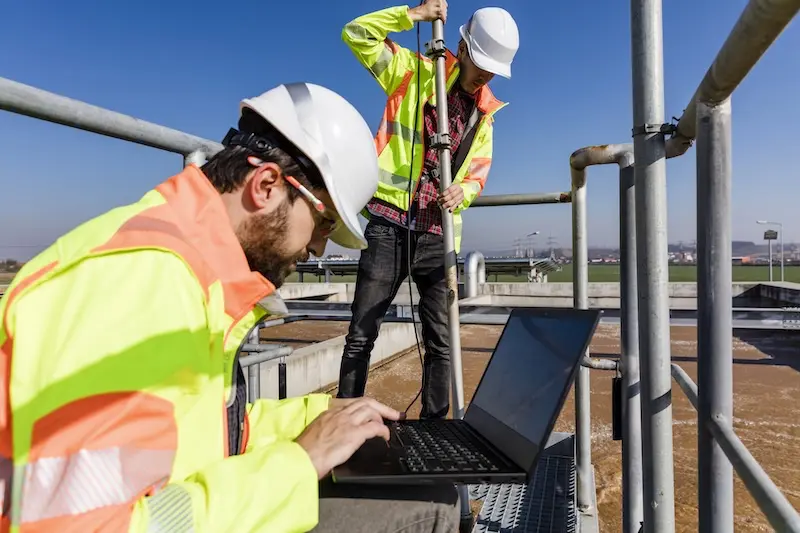
Deciding between manual sampling vs continuous monitoring is a key decision for organisations responsible for environmental compliance, wastewater discharge and regulated process monitoring.
Both methods can provide valuable evidence, but they offer very different levels of visibility.
Manual sampling captures conditions at a specific moment or over a defined collection period. Continuous monitoring records how conditions change over time, helping teams detect short-duration events, process drift and emerging compliance risks.
For many facilities, the best solution is not choosing one method over the other, but combining both within a monitoring strategy that meets licence requirements and provides reliable operational insight.
Manual sampling vs continuous monitoring: What’s the difference?
Manual sampling involves collecting a physical water, wastewater or effluent sample for field or laboratory analysis.
Common methods include:
- Grab sampling
- Time-proportional composite sampling
- Flow-proportional composite sampling
- Portable field measurements
- Laboratory testing
A grab sample represents conditions at the time it is collected. Composite sampling combines several samples over a longer period and can provide a more representative picture of a variable discharge.
Continuous monitoring uses installed sensors and analysers to measure selected parameters at regular intervals. These instruments may connect to a local control system, SCADA platform or cloud-based monitoring system.
Common parameters include:
- Flow and level
- pH and ORP
- Turbidity and suspended solids
- Dissolved oxygen
- Conductivity
- Temperature
- Ammonia and nitrates
- COD or TOC
A properly designed system can also provide live readings, automated alarms, trend data and reporting tools.
Manual sampling vs continuous monitoring for point-in-time data
The main limitation of manual sampling is timing.
A sample may be collected correctly and analysed accurately, but it still only represents the conditions present during the sampling period.
For example, a discharge sample taken at 10:00 a.m. may show that pH, turbidity or another parameter was within its permitted range. It may not reveal:
- A process upset during the night
- A temporary chemical-dosing failure
- A peak discharge during production
- A pump or valve fault
- A short-duration pollution event
Composite sampling improves coverage, but it may still average out a brief peak.
Manual sampling is therefore valuable, but it does not always show the full behaviour of a process.
Manual sampling vs continuous monitoring for real-time visibility
Continuous monitoring provides data between scheduled samples.
Instead of waiting for the next operator round or laboratory report, the system records how the monitored parameter changes throughout the day.
This helps teams identify:
- Short-duration compliance risks
- Gradual process drift
- Repeating patterns
- Changes linked to production schedules
- Equipment deterioration
- Abnormal flow or pollutant-load conditions
- The timing of an incident
When alarms are configured correctly, continuous monitoring can notify the relevant personnel before a developing issue becomes a serious environmental or operational event.
The advantages of manual sampling
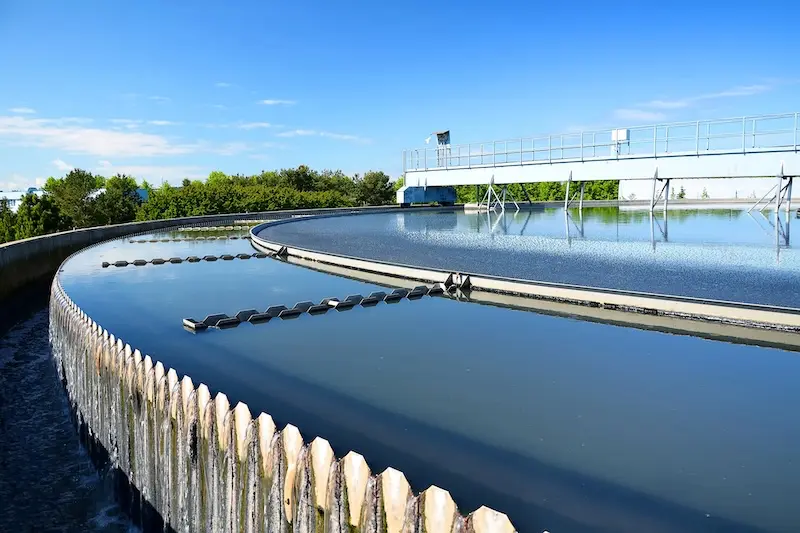
Manual sampling remains an essential part of many environmental compliance programmes.
Wider analytical scope
Laboratories can test for parameters that may be difficult, impractical or uneconomical to measure continuously.
This can include complex chemical compounds, microbiological parameters and substances requiring specialist analytical methods.
Independent verification
Laboratory results can be used to check the performance of online analysers.
This is particularly important where continuous instrumentation supports operational decisions, alarms or compliance reporting.
Alignment with licence requirements
A licence or permit may specify a particular grab or composite sampling method and frequency.
Installing a continuous analyser does not automatically remove that requirement.
Lower initial infrastructure
For infrequently measured parameters or lower-risk monitoring points, manual sampling may require less initial investment than a permanent online system.
The limitations of manual sampling
Limited time coverage
A manual sample represents one moment or collection period. It may not capture events that occur between samples.
Delayed results
Laboratory results may arrive after the relevant event has already passed.
Dependence on correct procedures
Sample location, preservation, handling, storage and transport can all affect the quality of the result.
Ongoing workload
Collecting samples, recording information, completing paperwork and arranging transport can place a significant demand on operators.
No automatic early warning
Manual sampling usually confirms what has already happened. It does not automatically alert a team when an abnormal condition begins.
The advantages of continuous monitoring
Continuous instrumentation gives teams a more detailed view of how a discharge or process behaves over time.
Better process visibility
Continuous data reveals normal operating patterns, variability and gradual changes.
Faster response
Automated alarms can help teams respond before an abnormal condition becomes a compliance breach or environmental incident.
Stronger incident investigation
Historical data can show when an event started, how long it lasted and which related parameters changed.
Reduced manual checking
Remote access can reduce unnecessary operator rounds and site visits, particularly at unmanned or geographically dispersed locations.
Better operational control
Measurements used for compliance can also support chemical dosing, treatment performance, maintenance and process optimisation.
Improved understanding of pollutant load
Concentration alone may not provide the full picture. Combining water-quality measurements with accurate flow data helps teams understand total discharge load and process behaviour.
The limitations of continuous monitoring
Sensors need calibration and maintenance
Online analysers can drift over time. Regular cleaning, calibration and verification are necessary to maintain confidence in the data.
Fouling can affect accuracy
Wastewater and industrial effluent can expose sensors to solids, fats, biological growth and deposits.
Instrument selection is critical
A sensor that performs well in clean water may not be suitable for a high-solids or chemically aggressive process stream.
Data needs context
Large volumes of data are only useful when alarm thresholds, reporting intervals and escalation procedures are properly configured.
Not every parameter can be measured online
Some parameters still require laboratory analysis. Continuous monitoring is therefore part of a wider monitoring strategy, not a universal replacement for physical sampling.
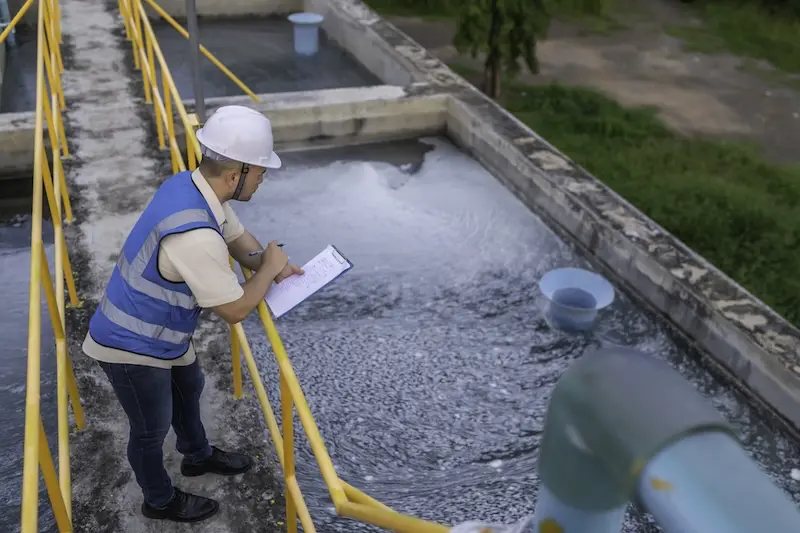
Manual sampling vs continuous monitoring: which is better?
Neither method is universally better.
The correct approach must first be based on the site’s licence, permit and regulatory obligations.
Continuous monitoring is generally more valuable where an organisation needs to:
- Detect short-lived exceedances
- Monitor a variable discharge
- Receive early warning of process failure
- Oversee remote or unmanned locations
- Understand trends and recurring events
- Investigate incidents using time-stamped data
- Reduce environmental and operational risk
Manual sampling remains essential where an organisation needs:
- Accredited laboratory analysis
- Testing of complex parameters
- Independent verification
- Confirmatory compliance results
- A method specifically required by its licence
Why a hybrid monitoring strategy is often best
For many regulated facilities, the strongest approach combines continuous instrumentation with scheduled manual sampling.
Continuous monitoring provides:
- Real-time visibility
- Historical trends
- Early warnings
- Operational insight
- Evidence of events between scheduled samples
Manual sampling provides:
- Laboratory confirmation
- Broader analytical capability
- Independent verification
- Compliance with prescribed sampling schedules
Manual results can verify online analysers, while continuous data can show whether scheduled samples accurately represent normal operating conditions.
Together, they provide a more complete and defensible monitoring record.
Four questions to ask before choosing a monitoring method
1. What does the licence require?
Review the required parameters, emission limit values, sampling methods, frequencies and reporting obligations.
2. How variable is the process?
A stable discharge may be adequately represented by periodic sampling. A variable process may need continuous measurement to detect peaks and abnormal events.
3. How quickly must the team respond?
Where a delayed response could lead to an incident or breach, real-time alarms may be critical.
4. How will the data be verified?
A dependable monitoring programme should include suitable calibration, maintenance, documentation and comparison against reference methods.
Monitoring technology is only part of the solution
Installing an analyser does not automatically create a reliable compliance monitoring system.
Long-term measurement quality also depends on:
- Correct measurement location
- Representative sample presentation
- Appropriate instrument selection
- Routine cleaning and maintenance
- Calibration and verification
- Suitable alarm thresholds
- Secure data collection
- Clear operator responsibilities
- Documented procedures
- Ongoing technical support
The quality of the final data depends on how the complete system is designed, installed, operated and maintained.
Manual sampling vs continuous monitoring: Some last thoughts
Manual sampling and continuous monitoring should not be treated as competing technologies.
Manual sampling provides detailed, verifiable results and remains essential where laboratory analysis or specific licence conditions apply.
Continuous monitoring provides the visibility that periodic sampling cannot: real-time changes, early warnings, historical trends and evidence of events occurring between samples.
For many organisations, the strongest environmental compliance strategy is a hybrid approach.
Use manual sampling for required analysis and independent verification. Use continuous monitoring to understand what is happening throughout the process.
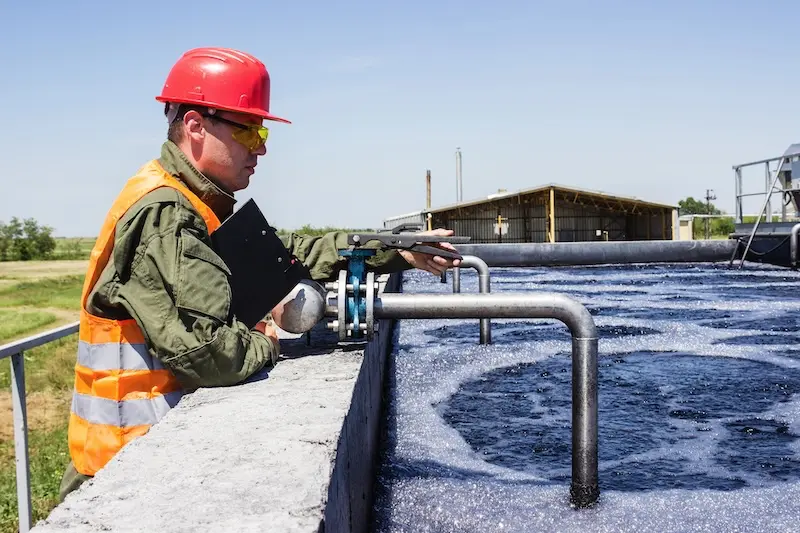
Environmental compliance monitoring from Process Networks
Accurate, traceable measurement is essential for meeting regulatory requirements and managing environmental risk.
Whether you are reporting to the EPA, monitoring discharge limits or managing quality thresholds within your process, the reliability of your data directly affects your level of compliance.
Process Networks provides complete environmental monitoring solutions designed to support:
- EPA reporting requirements
- Discharge-quality monitoring
- Water, wastewater and effluent control
- Audit traceability
- Multi-point site monitoring
- Early detection of abnormal conditions
Our solutions include industrial-grade sensors and analysers for flow, level, pH, turbidity, dissolved oxygen, TOC, COD, nitrates, ammonia, conductivity and other water-quality parameters.
We also provide:
- On-site calibration
- Annual certification
- Traceable calibration records
- Cloud-based monitoring
- Automated alerts
- Historical reporting
- Installation and commissioning
- Long-term service-level agreements
- Responsive technical support
Our ISO 9001:2015 quality management system supports traceability across design, installation, calibration and ongoing service. When you contact us, you speak directly with a technical expert who understands industrial and environmental monitoring.
Tell us what you need to monitor, and we will help you stay compliant. Speak with our technical team to design a reliable monitoring solution for your process.