


For industrial facilities across Ireland, environmental compliance monitoring is a continuous, data-driven responsibility, one that directly impacts operational risk, regulatory standing, and long-term sustainability.
From wastewater discharge limits to emissions monitoring and environmental reporting, organisations are under increasing pressure to prove that their processes meet strict regulatory standards.
At the centre of this challenge is one critical requirement: accurate, reliable, and traceable measurement.
What is environmental compliance monitoring?
Environmental compliance monitoring is the process of measuring, recording, and reporting environmental parameters to demonstrate adherence to regulatory requirements.
In practical terms, this includes monitoring:
- Wastewater discharge quality (e.g. pH, turbidity, COD, ammonia)
- Flow rates and volumes (to quantify discharge loads)
- Surface water or groundwater conditions
- Air emissions and environmental conditions (in certain industries)
Traditionally, many facilities relied on manual sampling and laboratory analysis. While still used in some cases, this approach has limitations:
- Delayed results
- Limited visibility between samples
- Increased risk of undetected non-compliance
- High labour and operational overhead
Modern compliance strategies are increasingly based on continuous, real-time monitoring systems providing instant visibility and defensible data.
Why environmental compliance monitoring matters
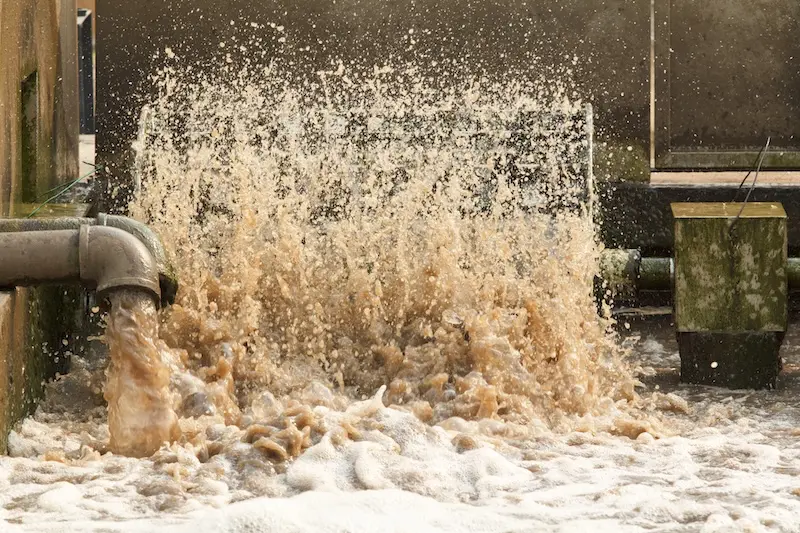
Industrial operations interact constantly with the environment through water usage, wastewater discharge, emissions, and resource consumption. Regulators such as the Environmental Protection Agency (EPA) require facilities to monitor and report these interactions with a high degree of accuracy.
The scale of this responsibility is significant:
- The EPA’s Urban Wastewater Treatment Report 2023 found that over one-third of Ireland’s large urban wastewater treatment plants failed to meet EU standards.
- In the same report, untreated wastewater was discharged daily into rivers and coastal waters in multiple locations, highlighting systemic monitoring and infrastructure challenges.
- Ireland continues to face pressure under the EU Urban Wastewater Treatment Directive, with compliance failures linked directly to inadequate monitoring, reporting, or system performance.
For industrial facilities, the implications are clear:
- Non-compliance can lead to fines, enforcement actions, or operational shutdowns
- Environmental incidents can cause reputational damage and long-term liability
- Poor data quality can undermine audit outcomes and regulatory trust
Compliance is about continuously proving that those limits are being met.
How environmental compliance monitoring works in practice
Effective compliance monitoring is built on a combination of instrumentation, data systems, and ongoing support.
#1. Measurement at source
The process begins with industrial-grade sensors and analysers installed at key measurement points, such as:
- Effluent discharge outlets
- Treatment process stages
- Inlet and outlet flows
- Critical environmental monitoring locations
These instruments continuously measure parameters such as:
- pH and conductivity
- Dissolved oxygen
- Turbidity and suspended solids
- Nutrients (ammonia, nitrates, phosphates)
- Flow and level
The goal is simple: capture accurate, real-time data directly from the process.
#2. Data collection and visibility
Once measurement is in place, the next step is data aggregation and interpretation.
Modern systems increasingly use cloud-based monitoring platforms to:
- Display live readings across all measurement points
- Trigger automated alerts when thresholds are exceeded
- Provide dashboards for operational teams
- Store historical data for trend analysis and reporting
This shift is critical, as facilities that rely solely on local instrumentation or manual checks often experience:
- Missed alarms
- Delayed response times
- Gaps in reporting data
By contrast, connected monitoring systems provide continuous visibility and immediate insight.

#3. Reporting and compliance assurance
Regulatory compliance depends not just on measurement but on traceable, auditable data.
Monitoring systems must support:
- Accurate reporting to regulatory bodies
- Data integrity for audits and inspections
- Historical records for trend analysis and incident investigation
This is particularly important in Ireland, where EPA reporting requirements demand verifiable, well-documented measurement data.
#4. Ongoing calibration and support
One of the most overlooked aspects of compliance monitoring is maintaining measurement accuracy over time.
Sensors and analysers require:
- Regular calibration
- Verification against standards
- Maintenance and cleaning
- Replacement of consumables
Without this, even the most advanced monitoring system becomes unreliable.
This is why effective compliance monitoring is an ongoing process supported by calibration, certification, and technical expertise, not a one-and-done task.
The shift towards continuous monitoring
Across Ireland and Europe, there is a clear trend; continuous monitoring is replacing periodic sampling as the standard for compliance.
This change is driven by several factors:
- Increasing regulatory scrutiny
- The need for real-time visibility
- The limitations of manual sampling
- The availability of reliable sensor technologies
Continuous monitoring allows facilities to:
- Detect issues as they happen, not hours or days later
- Respond before non-compliance escalates
- Reduce reliance on manual processes
- Improve operational decision-making
In high-risk environments, such as wastewater discharge or regulated manufacturing, this level of visibility is not optional anymore.
Where many facilities struggle
Despite the availability of modern solutions, many industrial sites still face common challenges:
- Fragmented systems with no central visibility
- Manual reporting processes prone to error
- Inconsistent calibration practices
- Limited integration between sensors and data platforms
- Delayed response to compliance risks
These issues often lead to a reactive approach where problems are identified only after they occur.
A more effective strategy is proactive:
- Measure continuously
- Monitor in real time
- Act early
A practical approach to compliance monitoring
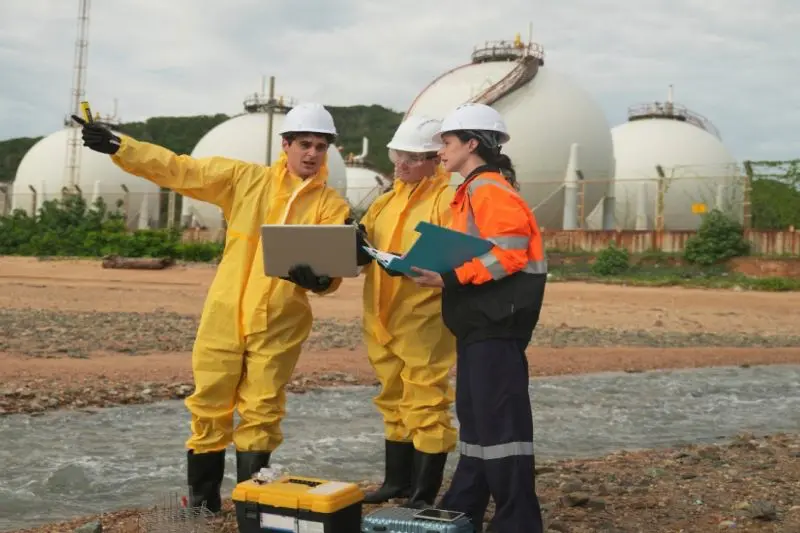
To achieve reliable environmental compliance, facilities should consider a structured approach:
- Define What Needs to Be Measured: Identify key regulatory parameters and risk points across the process.
- Select the Right Instrumentation: Choose sensors and analysers designed for the specific application and environment.
- Implement Real-Time Monitoring: Connect measurement points to a central system for visibility and alerts.
- Ensure Data Traceability: Maintain clear, auditable records for reporting and compliance.
- Establish Ongoing Support: Implement calibration, maintenance, and service agreements to ensure long-term reliability.
This approach aligns with how modern industrial monitoring systems are designed, combining hardware, software, and support into a single solution.
From measurement to compliance confidence
Environmental compliance ultimately comes down to one thing: confidence in your data.
When measurement is accurate, continuous, and traceable:
- Compliance becomes easier to demonstrate
- Risks are identified earlier
- Reporting becomes more efficient
- Operations become more stable
This is where a complete monitoring approach, from sensor selection through to cloud-based visibility and ongoing support, makes a measurable difference.
Rather than treating compliance as a periodic task, leading organisations now treat it as a continuous, data-driven process embedded into daily operations.

Revolutionise your environmental compliance monitoring with Process Networks
Environmental compliance monitoring is no longer just about meeting regulatory requirements. It is about building a reliable, defensible understanding of your process and its environmental impact.
In Ireland, where regulatory expectations continue to rise, and environmental performance is under increasing scrutiny, this requires:
- Accurate instrumentation
- Continuous monitoring
- Real-time visibility
- Traceable data
- Ongoing technical support
Facilities that invest in these capabilities move from reactive compliance to proactive control, reducing risk, improving performance, and strengthening their position with regulators.
To achieve this, monitoring must be built on reliable, validated data and systems designed for long-term accuracy.
At Process Networks, we provide complete environmental compliance monitoring solutions, including:
- Certified sensors and analysers for precise measurement
- Traceable calibration aligned to international standards
- Cloud-based platforms for real-time data and reporting
- Full lifecycle support, from design to ongoing service
Whether reporting to the EPA or managing discharge limits, our dependable data and expert support will ensure compliance while reducing your company’s risk.
Get in touch with our experienced team today to design a reliable, compliant monitoring solution tailored to your process.