

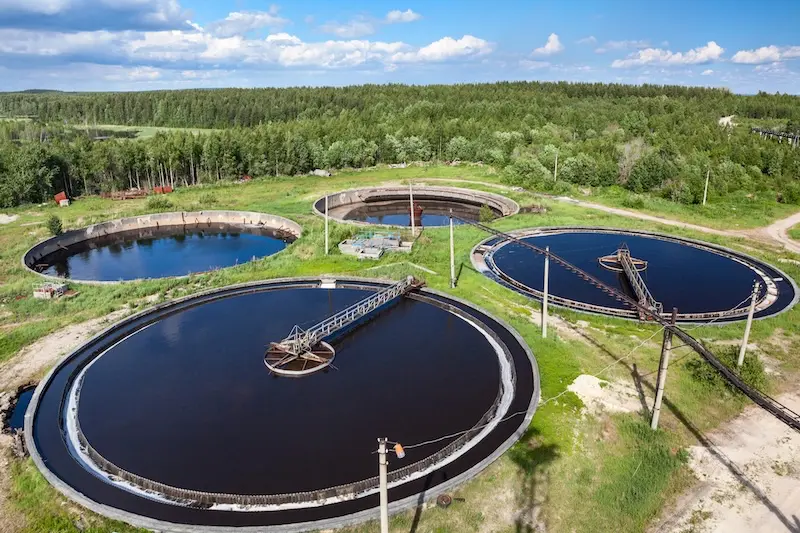
In industrial and environmental operations, monitoring wastewater discharge is a process that directly impacts compliance, environmental protection and operational performance.
Facilities across sectors, from manufacturing and food processing to pharmaceuticals and utilities, are under increasing pressure to demonstrate that their discharge meets strict regulatory standards. The challenge is not simply measuring wastewater quality, but doing so accurately, consistently and in real time.
The approach to environmental compliance should be based upon reliable, traceable measurement; this forms the foundation of confident reporting and risk reduction.
This article outlines the key parameters every facility should monitor and why they matter.
Why monitoring wastewater discharge matters
Wastewater characteristics can change rapidly due to process variability, production loads or system failures. Without proper monitoring, facilities risk:
- Non-compliance with discharge licences
- Environmental incidents
- Fines or operational shutdowns
- Damage to downstream treatment processes
- Increased operational costs
Accurate monitoring enables:
- Early detection of process issues
- Stable and compliant discharge quality
- Data-backed reporting for regulators
- Improved process optimisation
Industrial buyers, particularly engineers and compliance teams, prioritise accuracy, reliability and traceability when selecting monitoring systems.
8 key parameters for monitoring wastewater discharge
#1. pH (Acidity & Alkalinity)
pH is one of the most critical compliance parameters. Most discharge licences specify strict pH limits.
Why it matters:
- Extreme pH levels can harm aquatic ecosystems
- Impacts chemical treatment processes
- Affects corrosion in pipelines and infrastructure
A typical challenge:
- pH fluctuations caused by inconsistent dosing or process changes
A monitoring approach:
- Continuous inline pH sensors provide real-time visibility and enable automated dosing control
#2. Flow rate
Flow measurement determines the volume of wastewater being discharged, which is essential for compliance reporting and load calculations.
Why it matters:
- Required for calculating pollutant loads (e.g. kg/day)
- Identifies abnormal discharge events
- Supports billing and regulatory reporting
A typical challenge:
- Inaccurate flow data leading to incorrect reporting
A monitoring approach:
- Magnetic or ultrasonic flow meters for pipes; open-channel flow systems for weirs and flume
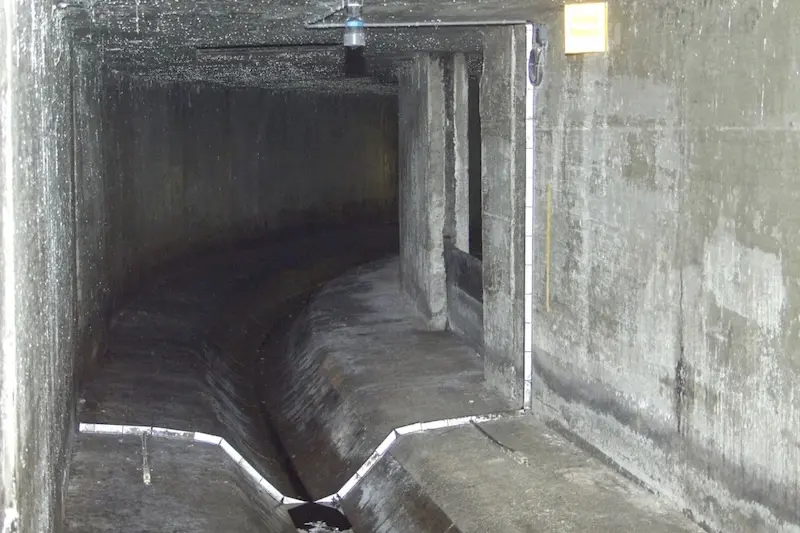
Different sensor designs and measurement technologies help achieve accurate results, even in challenging measurement locations. For example, flow sensors and transmitters can be installed permanently or temporarily in partially filled sewers and pipes.
#3. Turbidity & suspended solids
These parameters measure the clarity of water and the presence of particulate matter.
Why they matter:
- High levels indicate poor treatment performance
- Can harm aquatic life
- Often linked to process inefficiencies or equipment issues
A typical challenge:
- Sudden spikes due to process upsets or filtration failures.
A monitoring approach:
- Online turbidity sensors or suspended solids analysers for continuous tracking.
#4. Dissolved oxygen (DO)
Dissolved oxygen is critical in biological treatment processes and for assessing environmental impact.
Why it matters:
- Low DO levels can harm aquatic ecosystems
- Essential for aerobic treatment efficiency
- Indicates biological process health
A typical challenge:
- Insufficient aeration or process imbalance
A monitoring approach:
- Optical DO sensors for stable, low-maintenance measurement
#5. Chemical oxygen demand (COD) / Total organic carbon (TOC)
These parameters measure the organic load in wastewater.
Why they matter:
- Key indicators of pollution levels
- Often regulated in discharge licences
- High values increase treatment costs and environmental risk
A typical challenge:
- Delayed lab results when relying on manual sampling
A monitoring approach:
- Online COD or TOC analysers for continuous compliance monitoring
#6. Nutrients (ammonia, nitrates, phosphates)
Nutrient levels are closely regulated due to their role in eutrophication.
Why they matter:
- Excess nutrients lead to algae blooms
- Impact on receiving water quality
- Critical for municipal and industrial discharge compliance
A typical challenge:
- Variable loads due to changing production or treatment efficiency
A monitoring approach:
- Ion-selective or optical sensors for continuous nutrient monitoring
#7. Conductivity
Conductivity measures the ionic content of water, often indicating contamination or process changes.
Why it matters:
- Detects chemical discharge or leaks
- Monitors salinity and dissolved solids
- Useful for tracking cleaning cycles (e.g. CIP systems)
A typical challenge:
- Undetected contamination events
A monitoring approach:
- Inline conductivity sensors integrated into process systems
#8. Temperature
Temperature influences both chemical reactions and biological processes.
Why it matters:
- Affects treatment efficiency
- Impacts dissolved oxygen levels
- May be regulated in discharge permits
A typical challenge:
- Thermal discharge from industrial processes
A monitoring approach:
- Integrated temperature sensors within multi-parameter systems
From parameters to performance: The role of continuous monitoring
Many facilities still rely on manual sampling. While useful, it introduces significant limitations:
- Delayed results
- Missed transient events
- Increased labour requirements
- Limited process visibility
Modern facilities are moving towards continuous, cloud-connected monitoring systems that provide:
- Real-time data across all parameters
- Automated alerts for out-of-spec conditions
- Historical trend analysis
- Simplified compliance reporting
This aligns with a broader shift in industry, where data-driven decision-making improves both compliance and operational efficiency.
Building a reliable strategy for monitoring wastewater discharge
Effective monitoring requires a structured approach:
- Identify regulatory requirements
- Define critical measurement points
- Select appropriate instrumentation
- Ensure calibration and traceability
- Implement real-time monitoring where possible
- Maintain systems with ongoing support and validation
Our wastewater monitoring systems reflect this lifecycle approach, from instrument selection through to ongoing calibration, cloud monitoring and support.

Start monitoring wastewater discharge effectively with help from Process Networks
Monitoring wastewater discharge effectively means having confidence in your measurements, compliance and operational control. With the right monitoring strategy in place, facilities can reduce environmental risk, improve efficiency and maintain stable performance across every stage of the process.
Process Networks delivers integrated water and wastewater monitoring solutions tailored to your operational requirements, including analysers for pH, dissolved oxygen, turbidity and nutrients, alongside flow, level and pressure instrumentation, cloud-based reporting, automated alerts and long-term maintenance support.
Why organisations choose us:
- ISO-certified processes with full traceability
- Real-time cloud monitoring and reporting
- Responsive support from technical experts
- Robust instrumentation for harsh environments
- Calibration, certification and maintenance support
- Complete project support from design to commissioning
From municipal utilities and industrial facilities to EPA-regulated operations across Ireland, we deliver accurate, dependable monitoring solutions built for long-term compliance and performance.
Speak to us today and build a solution you can rely on.